
Whether you are travelling to far-off places or simply stepping out to run errands, you are likely to face the sun head-on. A little morning sunshine can do wonders for your well-being and help set the tone for a healthy routine. It is the most effective trigger for producing vitamin D in the body. Experts recommend exposing bare skin to the sun for about 10-20 min between 7 AM and 10 AM. However, prolonged exposure for more than 30 minutes can cause skin damage and sunburn. This may result in symptoms such as redness, pain, itching, and mild swelling in affected areas. On a very serious note, a person may feel dizzy, weak, and tired. Longer sun exposure can raise other health concerns such as photoaging and skin cancer.
So, it’s always a good idea to take precautions to safeguard yourself from the sun’s harmful radiation while travelling. Overall, the best remedy is to limit your sun exposure, especially between 11 a.m. and 2 p.m., when the sun’s rays are most intense.
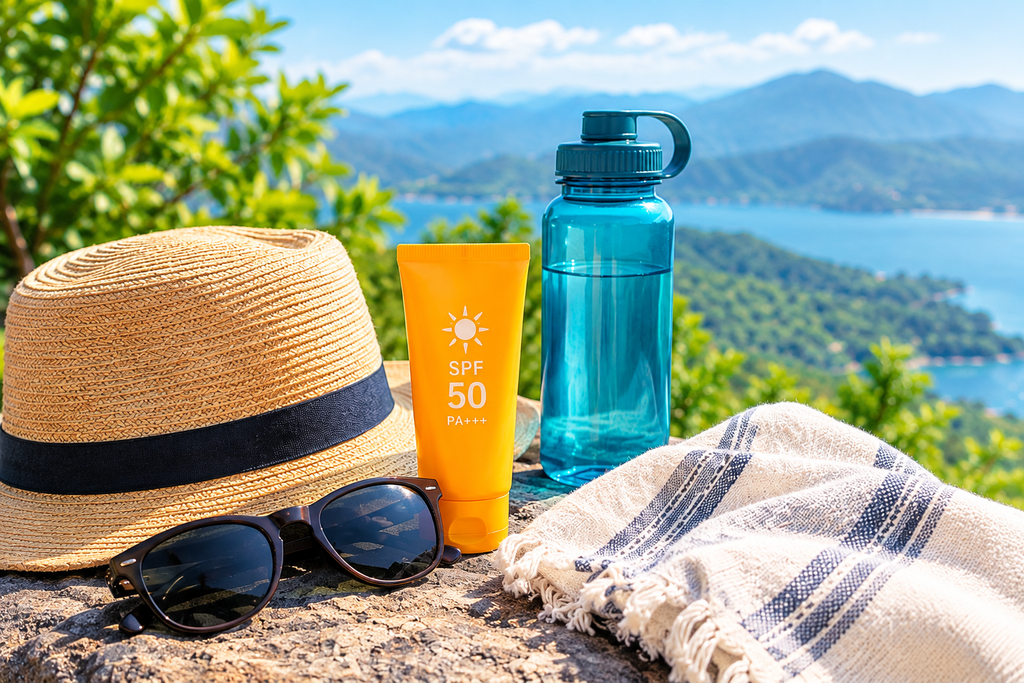
If you are outdoors, wear long-sleeved shirts, ankle-length pants, sunglasses, and broad-brimmed hats to cover exposed skin. Thick clothing and tightly woven fabrics provide an effective barrier against UV rays. Light-colored clothes tend to reflect more heat than dark-colored ones, helping you stay cool during your excursions. Choose comfort-fit clothes made from breathable natural fibres like linen or open-weave cotton to allow proper air circulation. Avoid tight clothing and heavy synthetics like polyester, as they can trap heat and sweat. If you plan to spend a lot of time in the sun, UPF (Ultraviolet Protection Factor) clothing offers a practical extra layer of protection on your adventures.
UV rays can also cause eye discomfort, and unprotected exposure over time can lead to the risk of severe vision impairment. Use sunglasses labelled “UV 400” that provide complete UV coverage. These are ideal for blocking harmful UVA and UVB light- helping shield the eyes from invisible radiation and reduce the risk of damage to the cornea and retina. UV-blocking glasses coupled with polarization features reduce glare and lessen further eye strain.
Before stepping outside your premises into daylight, apply sunscreen generously. It is the next best skin guard after clothes to prevent sun damage. These days, sunscreens come in a wide variety of formulations, making it easier to find one that suits your skin. Choose one best suited to your local weather conditions. For outdoor activities, look for broad-spectrum sunscreen with a sun protection factor (SPF) of 50 or higher and a PA+++ rating. To stay sweat-free, use gel-based or fluid sunscreens that are absorbed quickly into the skin and don’t clog pores. Top off your sun guard by reapplying it at least every two hours, and more often if you’re sweating or swimming.
Consider carrying an umbrella on blinding sunny days. The canopy helps reflect heat and provides shade, reducing the temperature underneath as compared to the surroundings. Always stay hydrated. Water can quench your thirst, but it may not be enough to keep your body adequately hydrated. Carry electrolytes to sip along with water to replenish the body’s mineral content.
By keeping these simple precautions in mind, you can make the most of the outdoors without letting the sun get in your way.